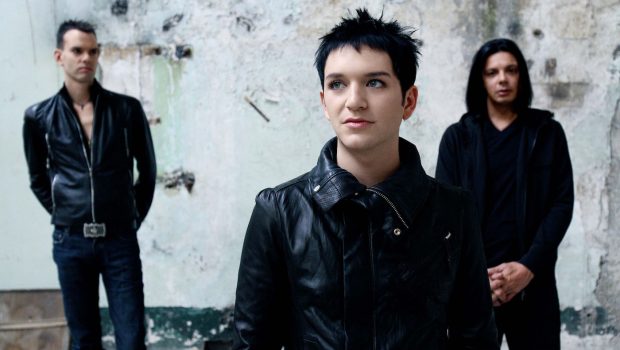
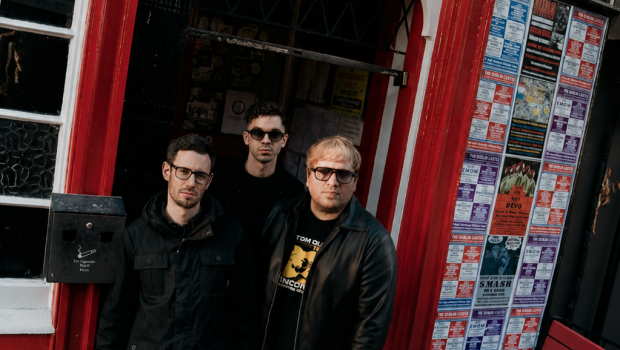
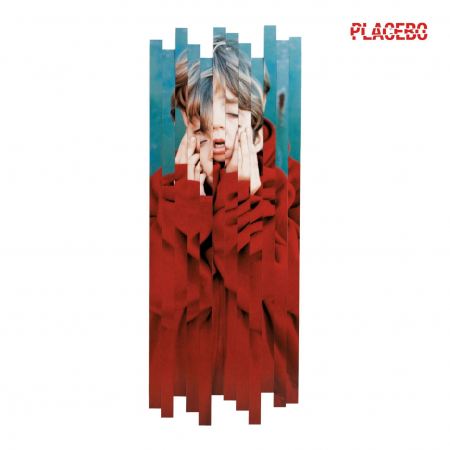
 Placebo’s 1996 self-titled debut album was a cultural reset in Britain. While the laddish Britpop boys were sporting Adidas and mod cuts, Placebo singer Brian Molko was being questioned over his gender. No-one could tell if he was a man or a woman. He both looked and sounded androgynous with a black bob, feminine clothing, and a high-pitched voice, a stark contrast from the rest of British rock at the time. Placebo’s alternative appearance was reflected in their music too. Loud alt-rock songs with queer imagery certainly weren’t the standard. So, 30 years on, they describe their new RE:CREATED version of the album as “a collection that preserves the immediacy and defiance of the original while pushing the sound into new territory.”
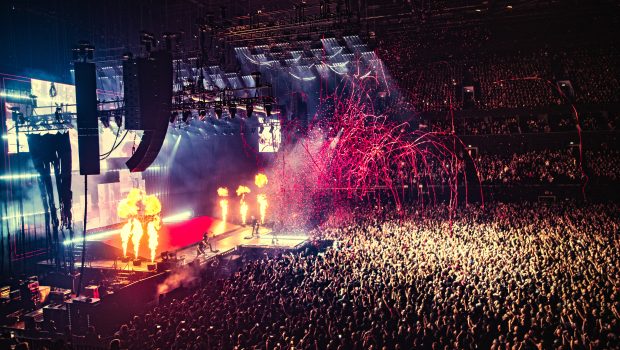
With the opening track, Come Home, we are immediately met with more reverb than the original version. This highlights that the album will reflect the live performances of the last 30 years as the band have described. The subtle new backing vocals on the repeating “Come home” of the chorus make for an eerie listen, which is very intriguing and very in line with the lyrical content.
Teenage Angst has had the distortion turned up, but keeps the original vocals. The beefing up of the instruments results in the loss of a certain naivety that added so much to the context of the original, but it doesn’t take away from the track at all. Instead, it alters the perception of Molko’s perspective, which is to be expected for a song about youth 30 years on.
The intro to Bionic is almost indistinguishable from its 1996 counterpart, but enter the distorted backing guitar and drums, and it becomes new. The role the distortion plays in this song is to make the devastated vocals sound even bigger and the lead guitar stand out in a way it doesn’t in the original. As well as this, new backing vocals from an older Molko add a haunting charm to the track. As a result, the emotion in the original is made even stronger in its recreation.
36 Degrees continues the now seeming rule of more distortion and volume, but not much else has been changed. At least not intentionally. The lyric “With hindsight, I was more than blind” is a very loaded one in the context of the album’s release. Time almost changes the meaning of the songs on this record.
Hang On To Your IQ breaks the rule of the album. Instead of an increase in volume and energy, we’re presented with a slightly stripped-back rendition of the song, as well as new mini-vocal riffs absent from the version of the song we’re used to. This is one of the biggest changes seen on the album, and one of the best.
The record quickly returns to its rule of louder, distorted guitars with a few simple changes to Nancy Boy. The queer imagery, once scandalous, is now extremely normal, marking a shift in attitudes since Placebo’s heyday, one they definitely helped with in Britain.
The album moves onto I Know, where the qualities of the song are amplified massively. The verse remains quiet yet so eager to burst straight back into the chorus, which has now turned into a monstrous version of itself, louder, rawer, and newer. Backing vocals make the warning of “The past will catch you up as you run faster” even more dire and only more relevant, with a sinister feeling creeping up behind you.
Bruise Pristine immediately takes up more room than its 1996 counterpart. With louder guitars, it too relies less on percussion and more on distortion, reflecting the band’s current position as Placebo have not had a permanent drummer in over a decade. The bridge of “Encore” echoed is much rawer; they’ve taken an inconspicuous accent of the original and turned it into almost as integral a part as the heavy, distorted riffs throughout the song.
The stern, peeved vocals of Lady of the Flowers contrast the upset trembling of the standard version. The entire tone of the song is changed, the themes of exploitation, once sung in a helpless, devastated way, are now met with a different, more mature vocal approach. The addition of backing vocal harmonies in the last minute with the much louder distorted guitar create a grander, cinematic feel that seems like it had always been hiding in the track.
Closing track Swallow isn’t remarkably different. What was a low-key palate cleanser after the loud alt-rock of the rest of the album remains this way for its recreation. The nonsensical lyrics remain incoherent and confusing on the surface, but hold deeper meaning underneath, just as they did originally.
Placebo RE:CREATED comes with two bonus tracks, only one of which could be found as a hidden track on the original. Drowning By Numbers was originally a b-side to the Come Home single, but after 30 years as a fan favourite, it has finally found its way onto an official version of the album. The bridges’ lines overlap more than before, creating a rushed feel, appropriate for the violence heard in the vocals.
HK Farewell, the original hidden track, really ends the album. However, it has been cut from its original seven and a half minutes down to five. A whole third of the track is chopped off, most likely to fit Drowning By Numbers onto a physical release. The song sounds very similar, only with more reverb, adding a sickeningly nostalgic feel to the album in a way not even 30 years passing could.
It’s dangerous territory going back and changing one of your most beloved albums, but Placebo have made it work. This recreation is a reflection on both the integrity of the original and the way these songs have grown over the last 30 years. The band respect the album, only changing what they think they need to and leaving the best parts untouched. It’s very easy to tell this was a passion project. No-one was asking for it, Placebo RE:CREATED is simply the result of how much Placebo care for and take pride in their work.
Placebo: Placebo RE:CREATED — 19 June 2026 (Elevator Lady Ltd)
?is=I7717LdK-cvZ_FO5″>https://youtu.be/zxu3mVSabDw?is=I7717LdK-cvZ_FO5