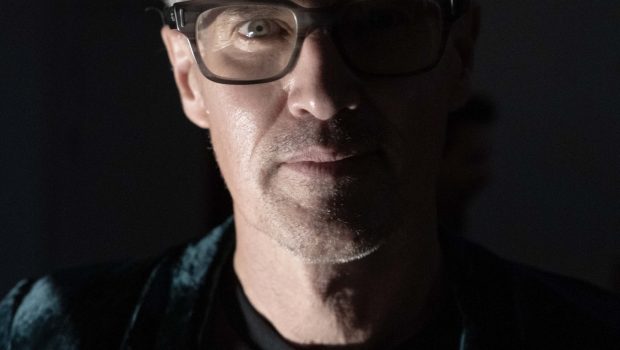
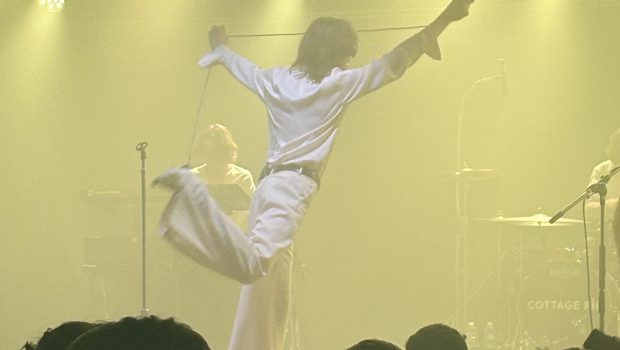
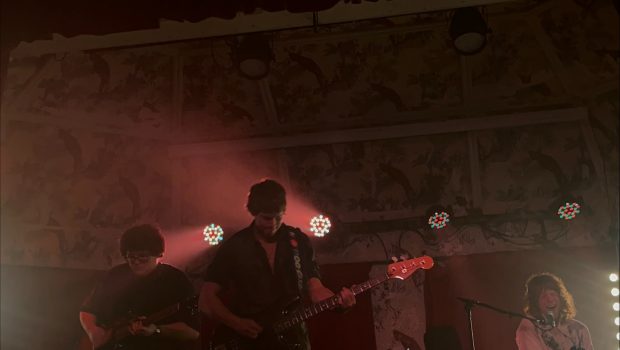
 For over two decades, Mull Historical Society has occupied a unique space between indie-pop experimentation, literary storytelling and deeply personal songwriting. The project is the work of Colin MacIntyre, who grew up on the Isle of Mull surrounded by folklore and storytellers. He adopted the name from his local historical society – a decision that became unintentionally iconic when the real organisation later had to rename itself due to confusion with the band. Since emerging in the early 2000s, MacIntyre has built a career that blurs the line between music and literature. His debut album Loss earned acclaim for its inventive, emotionally detailed songwriting, while later records established him as one of Scotland’s most distinctive voices. Alongside music, MacIntyre also became an award-winning novelist, with The Letters of Ivor Punch winning the Edinburgh International Book Festival First Book Award.
Storytelling has always been central to MacIntyre’s work. His songs often feel like short stories set to music, filled with vivid characters, places and memories. Critics have compared his sound to artists including The Beach Boys, Prefab Sprout and Super Furry Animals, while also noting influences from ABBA, The Beatles and David Bowie. In recent years, MacIntyre has increasingly merged his literary and musical identities, collaborating directly with celebrated authors. His album In My Mind There’s A Room featured writers including Nick Hornby, Ian Rankin and Jacqueline Wilson. That crossover continues on In My Mind There’s A Photograph, which features collaborations with writers such as Irvine Welsh, Ali Smith and Colum McCann.
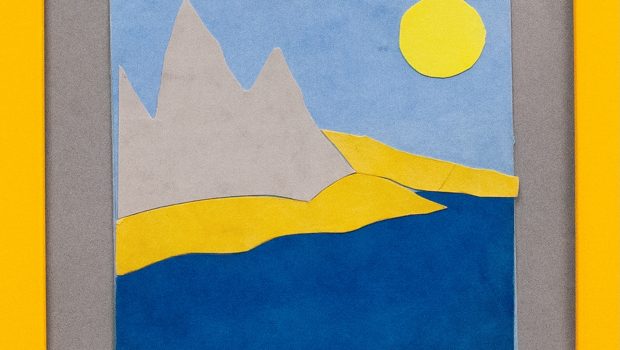
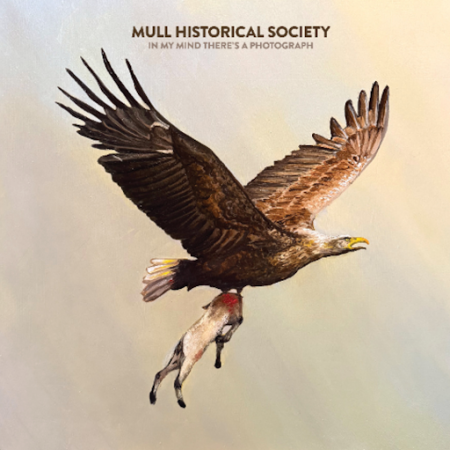
In My Mind There’s A Photograph continues MacIntyre’s fascination with memory and storytelling through the lens of photography. Each track begins with a meaningful photograph chosen by one of the album’s literary collaborators, with MacIntyre building songs around their memories and experiences. Recorded at BB Studios in Tobermory on the Isle of Mull, the album was written and produced entirely by MacIntyre, with engineering by Gordon Maclean. The setting itself reflects the album’s themes, as the studio once served as a gathering place for music, dancing and storytelling connected to MacIntyre’s own family history. Sonically, the record moves between intimate piano-led arrangements, layered harmonies and brighter indie-pop moments, while lyrically exploring displacement, grief, identity, nostalgia and family memory – from reflections on Gaza and 9/11 to childhood photographs and abandoned homes.
The album opens with counted-in drumsticks before landing straight into a repeating, almost mantra-like question that doubles as its title: “Where are the heroes?” It’s upbeat from the start, driven by a head-bopping rhythm that feels deceptively light given the subject matter. There’s a strong focus on family here, especially the grandfather figure, who is framed as a personal hero. His life working becomes a central image, grounding the track in everyday heroism rather than anything grand or mythic. The repeated question hangs over it all, almost nostalgic, suggesting that heroes, in a broader sense, feel absent or lost to time.
‘Once Upon A Tightrope’ opens more sparingly. Soft piano and what sounds like a single clapping rhythm, giving it an intimate, almost exposed feel. It doesn’t try to overwhelm you with production, instead it leans into space and simplicity, letting the lyrics carry the weight. The imagery is vivid and metaphorical throughout, with a strong narrative core. About halfway through, a second vocal line appears, adding harmony and depth without breaking the intimacy. Lyrically, it reflects on loss on a large scale – lives gone, moments suspended – yet it stays restrained musically, which makes it hit harder.
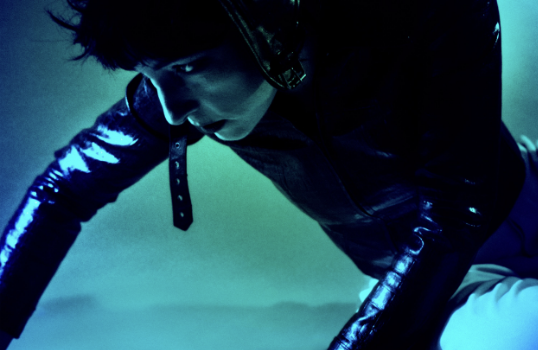
Beginning with pure harmony, layering together with gentle piano, ‘Cattle Bells’ is incredibly calm and expansive – almost as if it’s unfolding rather than starting. The overlapping vocals give it a drifting, reflective quality, and something is striking about how balanced it feels. Nothing is rushed; everything has space to breathe. While listening, it feels meditative and one of the more emotionally immersive tracks.
There’s a clear tonal shift in ‘Charing Cross Canyon.’ The opening has an indie edge to it, something energetic and slightly chaotic that reminded me of an early Kaiser Chiefs-style urgency. Midway through, it pulls back and slows, almost resetting the energy. The drums start to feel like a heartbeat, grounding the track as it builds again. There’s a sense of movement throughout, a feeling of running through a landscape that keeps changing shape underfoot. It’s dynamic and structured in waves rather than a straight line – build, release, build again.
‘A Wish We’d Taen Mair’ leans heavily into spoken reflection and memory. A Scottish female voice leads it, delivering a monologue about time moving too quickly and the emotional weight of small domestic moments. There’s a specific standout scene when she talks about not being ready, but the moment is still captured anyway, which feels very human and unpolished in the best way. We hear Colin appearing for the chorus, before the female voice returns, creating a back-and-forth that feels like memory itself – shifting perspectives, slightly out of sync, but connected emotionally.
The next track is far more explicitly political in tone, directly engaging with the reality of war in Gaza. It focuses on the experiences of innocent people caught in displacement and violence, without leaning into anger so much as a kind of weighted, steady observation. The vocal delivery sits tightly in rhythm with the beat, giving ‘Gaza On My Back’ a controlled, almost restrained importance. By the end, repetition becomes central, with phrases becoming louder and louder, stacking emotional pressure rather than releasing it. Each line strikes a different image, with the final being fragile hope emerging from trauma, even as the song remains grounded in its stark subject matter.
‘We Called It A Lake” initially feels far lighter than the tracks surrounding it. The music carries a nostalgic, almost carefree warmth to it, with a lo-fi quality that makes it sound as though it was recorded in a bedroom between friends. But underneath that comforting sound is something more uneasy. The song reflects on childhood memories through an adult perspective, gradually hinting at the darker realities that existed beneath them. What first feels innocent and reflective slowly takes on a different meaning, shaped by hindsight and the awareness of growing up under political control. That contrast is what makes the track so effective: the music feels warm and familiar, while the subject slowly chips away beneath the surface.
There’s something immediately wistful about ‘Dopamine Eyes.’ The opening recalls the warm, melodic sound of The Seekers before shifting into more modern and intimate. Despite the lyrical themes of lockdown-era connection, the track has a looseness to it that makes it feel uplifting rather than claustrophobic. It’s the kind of song that feels it’s made for small moments – like dancing around your kitchen late at night. With a softness to it, but also moment, it quietly sneaks up on you.
Built around a repetitive piano motif, ‘Budapest’ feels deliberately like it’s holding back. The instrumentation stays minimal throughout, giving the song a calm, hypnotic quality. Rather than constantly building or shifting direction, it settles into its atmosphere and lets the emotion sit there naturally. The simplicity works in its favour, feeling intimate, reflective, and deeply personal without trying too hard to announce itself.
‘Midnight Sun’ is one of the more immediately upbeat moments on the album. It opens with bright piano chords that feel full of motion and warmth, carrying sentiment without becoming heavy. There’s a cinematic feel about it. It genuinely sounds like the sort of song you’d soundtrack over old videos and fragmented memories – family footage, road trips, moments you forgot you still remembered. Even with the tender core, there’s still energy pushing it forward, giving it a hopeful edge rather than a mournful one.
‘The Soldier And The Waitress’ sits in an interesting ground: simultaneously upbeat and relaxed, carrying a gentle vintage quality that suits the song’s roots in memory and family history. Based around a parents’ wedding photograph, the track reflects on a moment frozen in time – one that, in hindsight, becomes far more bittersweet. Knowing that it represents the last truly happy image gives the song an underlying sadness that sits quietly beneath the lighter instrumentation. Rather than becoming overly heavy, though, the track feels reflective and vulnerable, preserving the feeling of that captured moment instead of mourning it outright.
A very calm and understated closer. ‘Hillman Imp’ is slow-paced and ruminative; it feels less concerned with dramatic payoff and more interested in lingering in memory. There’s a lovely softness running through the entire track that makes it feel comforting, like quietly leafing through old photographs long after everyone else has gone home. It’s gentle and unhurried, ending the album on a thought rather than an explosive note.
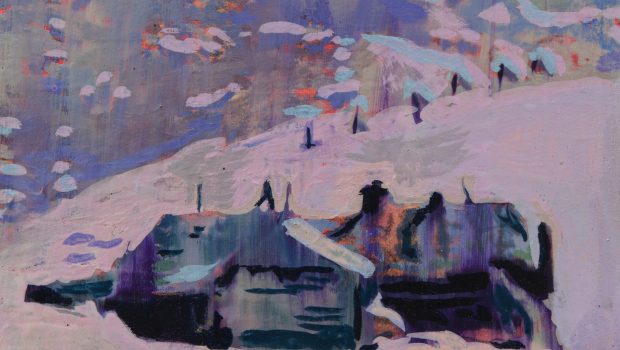
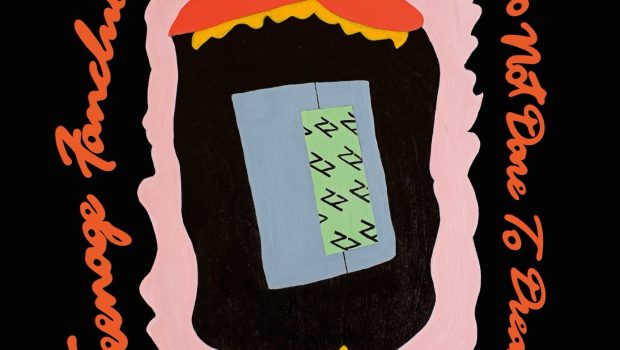
Mull Historical Society – In My Mind There’s A Photograph, out May 29th on Vinyl/CD, streaming everywhere 24th July 2026!
(LNFG)
Watch Mull Historical Society’s ‘Cattle Bells’ music video now:
Mull Historical Society ‘Cattle Bells’ Official Video