 “I’m outside with lily eyes”.
Labels. They’re everywhere. They are a part of you, me, the cafes that you walk by and the people that you see day in day out. Everything and everyone has a label. But why? When each facet of our life is so different, so intrinsic, so innate, is something lost by reducing everything down to a single, quantifiable variable? That class clown may have made you laugh during even the most turgid of classes, but did you ever get to know them for anything more.
Music is like this too. Of course, each piece of music has to belong somewhere, but sometimes they can blur the lines, can’t they? Is a rock record that features prominent electronic features really a rock record? Can an ambient record truly be ambient if it has vocal samples?
What happens when one rejects their label, when we aren’t content with being told what we are, and instead look to carve our own path? What happens when an artist looks to push the boundary of the labelled “genre”?
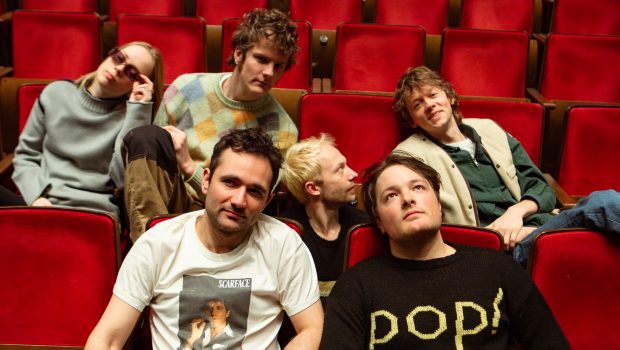
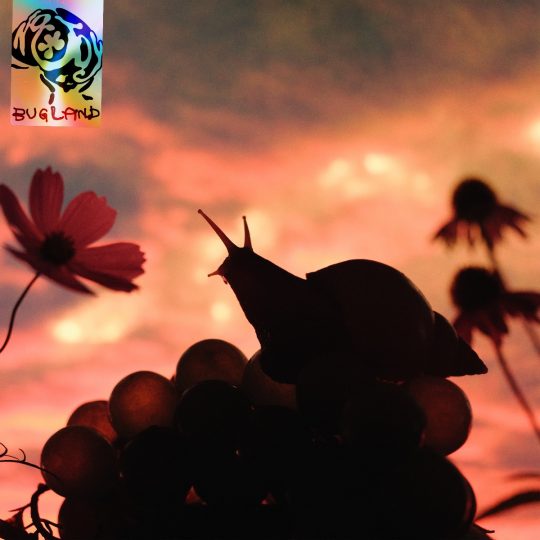
With that in mind, a question lingers from all this; is “Bugland”, the latest album by Canadian shoegazers No Joy, a shoegaze album? Well of course, opener ‘Garbage Dream House’ sets that record somewhat straight, with a heavy, distorted guitar riff that invokes a sense of wonder and nostalgia, combined with vocals by lead singer Jasamine White-Gluz that hang over the song, like a guardian angel. However, said record isn’t set out so perfectly straight, the opening of the album is an amalgam of glitchy sounds and effects, which are only eradicated when the guitar riff enters.
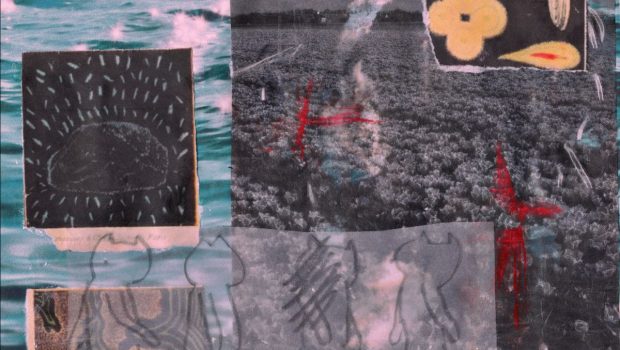
Bugland may be a fitting name for No Joy’s latest album, in that each song is comprised of many different bits and pieces, like a composition of bees or ants. Each track on Bugland is its own hivemind, each one boasting different shades, shapes, and colours. And with each listen, you return and find a new piece of the track to fixate on. Each bit buries and festers its way into the listening experience, resulting in an album with unique replay value, and an engaging listen.
The title track encapsulates this approach the most, one listen, you grapple onto the metal-Esque riff that kickstarts the track. The next, the constant jangle in the background earworms it’s way to you in its last chorus. You can’t attach a label to it; it’s not just a shoegaze song. It’s an exploration of the limits of shoegaze. The appropriately titled ‘Bits’ is littered with these details, the spoken word vocals that sound like an old voice message, drums that reel you in with their intensity, then mellow down to a slight breeze. The ripping bass of ‘Save the Lobsters’, the, kind of everything, of the stellar ‘My Crud Princess’, from the angelic vocals to the searing guitar riffs, the breakdown halfway through, where the track grows more distant, despite keeping its pace.
All of these ‘bits’ and pieces coalesce on closer ‘Jelly Meadow Bright’, an eight-minute, psychedelic sweep, a track that can effectively be split into two tracks, the first four minutes are bright, sprawling, and relaxed. The glitch effects effortlessly seam their way into the second half, which is abrasive and distorted, starting with these heavy metal vocals and riffs, before saxophonist Josh Plotner enters to guide us to the end, with his near two-minute solo being just one great earworm, in an album infested with many.
Bugland is an album that I envision myself coming back to a lot, for two reasons. First, it’s willingness to mesh and mold distinctive styles into the band’s accepted, labelled sound, results in an album that feels wholly unique to No Joy. Secondly, it’s an album swarming with minute details that catch you with each listen. If No Joy succeeded at one thing, it was making me want to continue exploring their weird, yet beautiful world, their Bugland if you will.
No Joy: Bugland – Out 8 August 2025 (Sonic Cathedral)
Joy – Jelly Meadow Bright feat. Fire-Toolz (video)