 Formed in Dublin in 2001, The Script are an Irish pop-rock band made up of Danny O’Donoghue, Glen Power, guitarist Ben Weaver, and bassist Benjamin Seargant, following the death of founding member Mark Sheehan in 2023. Their breakthrough came with their self-titled 2008 debut, which produced defining hits including The Man Who Can’t Be Moved and Breakeven. Across albums including Science & Faith, #3, No Sound Without Silence and Sunsets & Full Moons, the band have developed a reputation for emotionally charged songwriting, huge choruses and deeply personal storytelling. Over two decades, The Script have established themselves as one of Ireland’s most successful pop-rock exports.
The Script’s sound draws from a broad mix of rock, pop, soul, R&B and hip-hop, with influences including U2, Van Morrison, Stevie Wonder and The Police. Before forming the band, O’Donoghue and Sheehan worked as songwriters and producers in the United States, writing for and collaborating with major artists. That experience helped shape The Script’s polished but emotionally direct approach to songwriting. Their early work combined piano-led melodies, rock instrumentation and contemporary production, while later albums embraced increasingly modern pop sounds. Despite these changes, their music has consistently centred on storytelling, relationships and transforming personal experiences into universally relatable anthems.
Man in the Arena jumps straight in with a dramatic, determined energy. It feels like the soundtrack to a fight scene in an arena, with a momentum that refuses to back down when everything is against you. The message of ignoring the critics and continuing to fight makes this an instant motivational anthem, particularly when you feel backed into a corner. Danny O’Donoghue’s vocals are strong throughout, but I especially love the ending, where his lead vocal fades first, followed by the angelic backing vocals and finally the instrumentation. It leaves the song feeling surprisingly graceful after such an explosive beginning.
One of my favourites of this album, The Crowd Was Singing Wonderwall opens with just a voice and guitar, giving it an Oasis-meets-One Direction feeling. It tells the story of friends whose falling-out has kept them apart for years, before unexpectedly finding themselves together at a gig. Hearing Wonderwall sparks memories of their younger days and makes them question whether their pride is worth holding onto. I enjoy how nostalgic it feels without becoming overly sentimental. As the song develops, that intimate opening grows into a huge communal singalong, perfectly reflecting its message about friendship, forgiveness and the way music can bring people back together.
Scars Align is immediately more upbeat, with a head-bopping rhythm that feels tailor-made for radio. There’s a really uplifting quality to it despite the song being rooted in everything the narrator has endured, turning past pain and heartbreak into something positive. Rather than apologising for what they’ve been through, The Script frames those experiences as part of the journey that eventually brought two people together. I particularly like the idea of two people’s broken pieces fitting together, giving the song a surprisingly hopeful centre. It feels like one of those tracks that could easily become a huge crowd favourite.
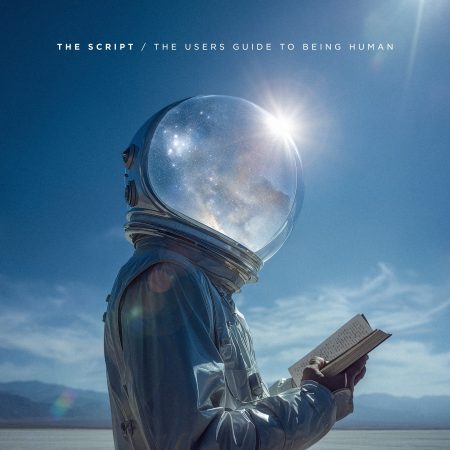
As the title track, The User’s Guide to Being Human feels like the album’s central statement. I love its argument that simply being human is something worth celebrating, especially as it looks towards a future of robots, flying cars and increasingly advanced technology. The song questions what happens when progress makes people feel like they no longer have a purpose, ultimately insisting that the human soul and all its strange little imperfections cannot simply be replaced by machines. I also love the combination of singing and spoken-word sections, which makes it feel almost like a conversation with the listener. The constant building, fading and rebuilding keeps it captivating.
After We’re Gone takes The Script somewhere noticeably more club-oriented, with its incredibly fast pace and electronic feel. I could easily imagine someone turning this into a full techno track, although there’s something interesting about keeping that energy within The Script’s sound. The song revolves around those enormous questions we inevitably have about what happens after death, including what becomes of us and whether anything continues once we’re gone. That gives the otherwise danceable production a surprisingly existential edge. My favourite detail comes towards the ending, where the music gradually fades, and the vocals become increasingly prominent. It peels everything back and lets the central message hit harder.
Completely different again, Living Our Life Without Me begins with a beautiful piano arrangement. It follows someone watching an ex-partner move forward with her life while he remains emotionally stuck, observing her happiness from the outside. The contrast between having a house and her having a genuine home is such a clever way of expressing how differently their lives have developed. There’s also a bittersweet reflection on growing older and realising things too late. The fact that she has seemingly moved on with marriage and children makes his loneliness feel even sharper. This is probably one of my favourites so far – the lyricism is genuinely beautiful.
I’m 100 Different People brings another complete shift in atmosphere, landing somewhere much darker. I can immediately picture this opening on a stage with red lighting and smoke, creating an unsettling atmosphere before the song fully reveals itself. There’s a strong sense of a toxic relationship running underneath it, with the narrator describing himself as fractured into countless different versions while still being consumed by love. I particularly like how the lyrics remain relatively consistent while the music changes their emotional weight. At the beginning, the song feels almost mysterious; as it develops, those same ideas become much more emotionally intense. It’s a clever transformation.
Returning to guitar and a much rawer sound, Years is one of the album’s hardest-hitting moments. The song appears to explore alcoholism, particularly through the perspective of someone watching a parent or family member disappear into drinking, and the imagery is incredibly heavy. There’s a brutal sense of someone repeatedly choosing alcohol over the people around them, with the threat of permanent separation hanging over everything. Given Danny O’Donoghue’s openness about turning to heavy drinking and smoking while struggling with grief after Mark Sheehan’s death, the song carries an especially painful weight. It feels less like a polished pop-rock track and more like someone finally confronting something they’ve spent years avoiding.
Alive brings the energy straight back up, and I’m absolutely loving this side of the album. It’s bright, bouncy and incredibly head-boppy, with a rhythm that practically demands you move along with it. The song centres on appreciating the simple fact of being alive, treating every goodbye and new beginning as part of the journey rather than something to fear. There’s something wonderfully uncomplicated about its optimism: if you’re breathing, your heart is beating, and you’re here, that is enough. After some of the album’s heavier moments, this feels like a much-needed burst of happiness. It’s infectious, uplifting and probably one of the easiest tracks here to sing along to.
Grow Old With Grace is an incredibly sweet reflection on loving someone throughout every stage of ageing, rather than only loving the younger version of them. The song imagines growing old together and embracing everything that comes with it — grey hair, changing appearances and evolving memories – while still seeing the same person you fell in love with. There’s something so reassuring about its message that your partner doesn’t need to change or remain conventionally youthful to stay beautiful. It genuinely made me think of my grandparents, which says a lot about how emotionally effective this song is.
The album jumps between so many different moods, and One Team For Life brings us firmly back into The Script’s motivational territory. It’s about refusing to back down, standing together and remaining committed even when the odds are against you. The language of love, teamwork and fighting for your chosen people gives it a strong sense of unity, almost like a sporting anthem or something designed specifically for a huge live crowd. There’s a real feeling of collective determination here – this isn’t about one person overcoming something alone, but about facing it together. Given The Script’s arena-sized sound, it feels particularly well suited to being shouted back by thousands of people.
The Script – The User’s Guide to Being Human, out 14th August 2026!
(BMG)
Watch The Script’s Man In The Arena music video now:
The Script – Man In The Arena (Official Video)
The Script’s Official Tour Dates
OCTOBER
30th – Ireland, Dublin, 3Arena
31st – Ireland, Dublin, 3Arena
NOVEMBER
2nd – UK, Belfast, SSE Arena
5th – UK, Newcastle, Utilita Arena
6th – UK, Birmingham, Utilita Arena
7th – UK, Manchester, Co-op Live
9th – UK, Nottingham, Motorpoint Arena
10th – UK, Leeds, First Direct Arena
12th – UK, Aberdeen, P&J Live
13th – UK, Glasgow, OVO Hydro
14th – UK, Sheffield, Utilita Arena
16th – UK, Bournemouth, International Centre
17th – UK, Cardiff, Utilita Arena
19th – UK, Liverpool, M&S Bank Arena
21st – UK, London, The O2
23rd – Germany, Munich, Zenith
24th – Germany, Düsseldorf, MEH
26th – Netherlands, Amsterdam, Ziggo Dome
27th – Netherlands, Amsterdam, Ziggo Dome
28th – Belgium, Antwerp Lotto Arena