 Mastodon have never been particularly interested in staying within the boundaries of heavy metal. Formed in Atlanta, Georgia, in 1999, the Grammy-winning band built their reputation through a restless combination of sludge, progressive and psychedelic metal, pairing intricate guitar work with unconventional structures, sprawling compositions and Brann Dailor’s famously frenetic drumming. Alongside Dailor, the band’s core has been shaped by guitarist Bill Kelliher and bassist/vocalist Troy Sanders, with storytelling always sitting alongside the heaviness. Mythology, literature, mortality, grief and survival have all found their way into Mastodon’s music, making evolution central to their identity.
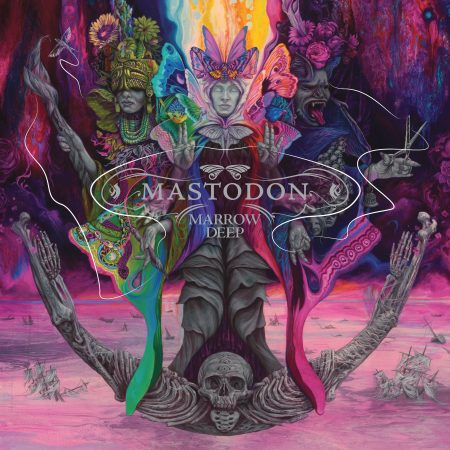
That evolution can be traced through a discography that has repeatedly reinvented the band’s sound and subject matter. Leviathan (2004) drew from Herman Melville’s Moby-Dick, while Crack the Skye expanded their progressive ambitions through themes of grief, spirituality and astral travel. Emperor of Sand transformed real experiences of illness and mortality into a desert-set concept, while 2021’s Hushed and Grim explores a darker, more expansive sonic palette. Now, five years later, Mastodon returns with Marrow Deep – a record shaped by another period of profound loss, but also by renewal. Guitarist Nick Johnston and keyboardist João Nogueira join the band for this new chapter, with anguish once again becoming raw material for something larger.
Opening with “Barbarians Blood”, Mastodon immediately establishes that Marrow Deep hasn’t abandoned the heaviness that has defined much of their career. The track builds from drums and guitar into a dense, forceful arrangement, with Converge’s Ben Koller contributing additional percussion. Heavy riffs, shifting rhythms and layered vocals establish the album’s intensity, while the progressive elements ensure there is always something happening beneath the surface. It is a fantastic introduction, offering an immediate taste of Mastodon’s ability to make something enormous without sacrificing intricacy.
“Poisonous Weapons” keeps that momentum going, combining cascading guitars with a groove that gives the track a particularly classic-metal feel. Mastodon balances crushing weight with changes in pace and atmosphere, keeping the song moving without losing its aggression. Its imagery of blood, violence, betrayal and poisonous weapons continues the album’s darker examination of destruction and human behaviour. There is familiarity in its classic-metal influence, but it never feels like the band are simply looking backwards.
“Your Ghost Again” is Mastodon’s tribute to their late former guitarist, vocalist and co-founder Brent Hinds. The song captures the strange experience of continuing to see or feel the presence of someone after they are gone. Fast, edgy guitar work gives it plenty of momentum, while haunting vocals and Nogueira’s keyboards create an eerie quality, particularly towards the outro. Knowing its context gives the track an added emotional weight, but the music never becomes overly sentimental. Instead, grief becomes something urgent, restless and incredibly alive.
Taking the album into more progressive and psychedelic territory, “Snakes for Dinner” places Nogueira’s keyboards at the centre of its sound. The song moves between heavier sections and spacious passages, constantly feeling as though it is heading somewhere unexpected. Josh Homme of Queens of the Stone Age provides additional vocals, fitting naturally into Mastodon’s sound without overshadowing the band. Lyrically rooted in sorrow and the sense that losing someone can make the world feel diminished, it becomes one of the album’s most atmospheric tracks.
“Out Like a Lamb” leans further into Mastodon’s progressive side, combining heavier guitar with intricate musical movement. Rather than driving towards a conventional chorus, the song continually unfolds, rewarding attention to the details within its arrangement. Its lyrics continue the album’s preoccupation with loss, exhaustion and letting go. There is something wonderfully vulnerable underneath the sheer size of Mastodon’s sound here, proving that the band don’t need to be at their most aggressive to make an impact.
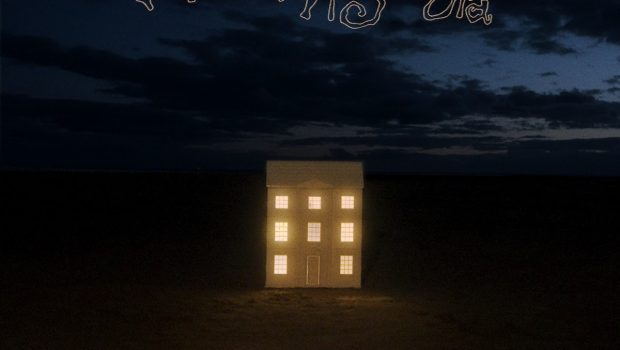
“In The Ruins” is one of the album’s most openly emotional and powerful moments. Inspired by Hurricane Helene and the devastating impact it had on Troy Sanders and his family, the song also arrives amid the band’s wider period of grief following the deaths of Hinds and Dailor’s mother, Michele. Musically, it mirrors that movement between devastation and resilience, beginning with a delicate exchange between guitar and keyboards before expanding into something much heavier. Its idea that grief isn’t something we simply “get over”, but something we learn to grow around, makes the song feel deeply human. It is a beautiful piece of catharsis within an album already overflowing with emotion.
Shifting Marrow Deep back towards confrontation is “They’re Coming for You”. Its lyrics are filled with deception, betrayal, decay and a “king” with a crooked crown, giving the song a distinctly hostile atmosphere. Musically, it draws on Mastodon’s heavier side while incorporating the groove and rhythmic complexity central to their sound. After the vulnerability of “In The Ruins”, the change is welcome, giving the album another layer of emotional range. This is less about mourning what has been lost and more about facing the anger that can follow.
“Golden Spires” demonstrates Mastodon’s ability to be atmospheric without sacrificing heaviness. Its guitars move between abrasive passages and a more spacious backdrop, while the vocals provide one of the album’s strongest melodic moments. The repeated call to “free yourself to live” gives the track a sense of release that contrasts beautifully with the record’s recurring imagery of death and destruction. The vocal interplay between Dailor and Sanders is particularly impressive, giving the chorus an almost soaring quality.
“Moth and Bone” is one of the album’s most subdued and contemplative tracks, and one of its most beautiful. Nogueira’s keyboards create a lush backdrop for acoustic guitar and vocals that sit closer to a whisper than Mastodon’s more aggressive material. The result is melancholic without becoming overwhelmingly bleak. Its imagery of fading faces, dreams and wounds reinforces the album’s relationship with loss, while the repeated insistence of “not yet defeated” introduces a powerful thread of resistance. The track’s restraint is what makes it so effective.
Bringing the aggression back is “A Vampire’s Demeanor”, built around a stomping riff and some of the album’s harsher vocals. Lamb of God’s Randy Blythe and Converge bassist Nate Newton provide additional vocals, adding another layer of intensity. Its lyrics centre on broken relationships, pride and destruction before shifting towards the possibility of a “new day rising”. There is a satisfying sense of old Mastodon here, particularly in the sheer weight of the guitars, while the additional voices make the track feel even bigger. It is heavy, angry and wonderfully unapologetic.
“The Vanishing” is one of Marrow Deep‘s most ambitious tracks, running for almost seven minutes. Black Sabbath bassist Geezer Butler provides the bass intro, while Gojira’s Joe Duplantier contributes vocals. The Sabbath influence feels fitting given the song’s meditation on mortality, but Mastodon make the idea their own. Lyrically, it returns to the people who remain with us through memory, including Dailor’s mother and sister, and the unavoidable connection between love and suffering. Its restraint allows the atmosphere to gradually take hold, making it haunting, expansive and genuinely moving.
Closing Marrow Deep, “The Three Fates” is the album’s longest track at almost eight minutes and perhaps its most ambitious statement. Inspired by the three sisters of Greek mythology who determine human destiny, it brings the album’s themes of fate, mortality and inevitability together. Neil Fallon of Clutch contributes to the track, while Mastodon use the extended runtime to move through contrasting sections rather than settling into a single structure. The changing pace and instrumental interplay make it feel like a final journey through everything the album has explored.
As a closer, “The Three Fates” is wonderfully excessive in the best possible way – sprawling, unpredictable and completely committed to its ideas. More importantly, Marrow Deep demonstrates that Mastodon’s fascination with evolution remains as strong as ever. It is an album about loss, but it is never defined solely by grief; anger, resilience, memory and renewal are woven through its heaviest and quietest moments. Mastodon have created something enormous, emotionally raw and unmistakably their own, leaving Marrow Deep feeling less like an ending than the beginning of whatever comes next.
Mastodon – Marrow Deep, out 28th August 2026!
(Loma Vista Recordings)
Watch Mastodon’s In The Ruins music video now:
Mastodon – In The Ruins (Official Video)