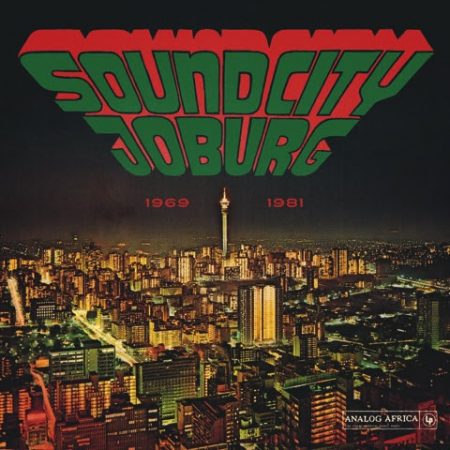
 During the apartheid years, the South African Broadcasting Corporation operated an internal system of censorship whereby records were reviewed for broadcast and those deemed unsuitable were physically damaged with sharp objects such as knifes and razors to render them unplayable. While such actions might seem insignificant compared with, say, the Sharpeville massacre, they do serve to illustrate the insanity of apartheid and any system based on notions of racial superiority. Evidence of this vinyl mutilation was discovered by Analog Africa as they researched their latest compilation which this time focuses on what was called Township Soul. This was a style inspired by the American soul and funk which had crossed the Atlantic Ocean and been absorbed by a young generation of musicians who fused it with traditional rhythms, jazz and local dance music. Fortunately, some recordings were undamaged and form the basis of this generous 22-track, double album compilation. Such is the joy apparent on these tunes that it seems inconceivable that anyone could want to vandalise such music.
Music, though, was a source of comfort to the oppressed majority in South African townships which explains why this compilation pulses with energy from the opening organ-led groove of ‘I Dig Soul Part 1’ by Beat Set. In contrast, Part 2 which kicks off Side 3 heads in the direction of jazz piano. The record does lead with some of its most pop-leaning tracks, notably ‘How Long? by Dudu And The Big Time Boys. Dudu Mazibuko became one of the country’s best-selling artists and it is easy to see why given her soulful voice together with the song’s glorious organ and relaxed groove. Her second track, ‘Can You Feel It’, is similar in style to the tempting disco that Donna Summer was creating in the mid-1970s. While the organ is upfront on The Hurricanes’ ‘Forget About Me’, the rhythms are higher tempo and there is also a bluesy guitar break. Amazimzim’s ‘Tshela Jwala Renwe’ is another infectious tune that invigorates the latter stages of the record.
A variety of styles are on display throughout but much of the album sees a focus on rhythm, exemplified by Amasoul’s ‘Ibhotsotso Khab’Zela’, a fusion influenced by Osibisa and Manu Dibango with tremendous interplay between horns, guitar, organ and rhythm section. Funk workouts were a major part of township music repertoire, represented well here by ‘Soweto Sporo 1’ by The Sons of Thunder. James Brown was a vital influence on music coming out of the townships and a nod to his importance comes in the name of Phillip Mallela With J.B. Express whose ‘Crazy Baby’ is especially boisterous. Mallela gained his reputation as lead vocalist of The Flaming Souls and was well-known for not only his soulful vocals but his dynamic stage moves with footwork that was reputed to eclipse that of The Godfather of Soul.
There is a significant proportion of instrumental tracks on the album; ten of the 22 tunes. One of the oldest pieces on the album being recorded in 1969, ‘The Real Mckay’ by The Soul Prophets exemplifies the quality of township jazz and swing. Their band leader Makwenkwe Davashe was renowned for writing for Miriam Makeba. Sipho Bhengu And His Jets’ ‘Till We Meet’ is an energetic blend of highly danceable township jive, mbaqanga rhythms, jazz style improvisation and winning saxophone melodies. The drumming on Philemon Hamole and Abafana Besimanje’s ‘Take It’ is incredible, pushing the organ and guitar to ever greater frenzy. ‘Feel My Soul’ by Hardways represents an increasing fascination with American soul and groove music. It has an emphasis on feel, rhythm and musicianship rather than commercial formulas and is particularly tasteful.
Kuruhundu’s ‘Ha Tsatsi Le Tshaba’ is a delicious slice of Afro-rock. It was taken from their only album, 1980’s ‘Wild Jungle’, and illustrates the resourcefulness and improvisational spirit of township musicians. Faced with limited resources, they used paint tins as drums, homemade congas and simple substitutes for equipment they could not afford. Rather than being held back by this, their music bubbles with vitality.
The latest track is 1981’s ‘Afro Dance’ by Kenny’s Razmataz, the brainchild of Kenneth Siphayi whose reputation was gained by renting a four-room council house, knocking down a wall to create a larger space in which he would hold what he called ‘The People’s Disco’. Razmataz is township slang for showmanship and ‘Afro Dance’ certainly has a swaggering disco fever. Perhaps the biggest surprise on the compilation is The Groovers’ faithful cover of Marvin Gaye’s ‘Gotta Give It Up’ which matches the original’s sterling groove.
A feature of the township scene was legendary 6-to-6 shows known as akulalwa which translates as “no sleeping at the gig” which took place at shebeens, garages, community halls and clubs. Judicious use of fades means most of the tracks included on the compilation do not stretch beyond four minutes but an exception is the ten-minute ‘Swing Africa’ by Reggie Msomi & His Jazz Africa. Msomi was a composer, arranger, saxophonist and guitarist whose compositions moved between jazz, soul, marabi and groove with a sinuous grace. Another peerless example of the township jazz scene comes courtesy of Elite Swingsters’ ‘My Last Word’ with alto-saxophonist Peter Nokomotela in imperious form.
The album culminates with ‘Sana Lwam’ by The Voodoos, a traditional Xhosa song about happiness and harvest which is notable for some exceptional piano playing. It makes an excellent ending to a showcase for the indomitable spirit and infectious energy of the music coming out of the South African townships from the late 1960s to the early 1980s.
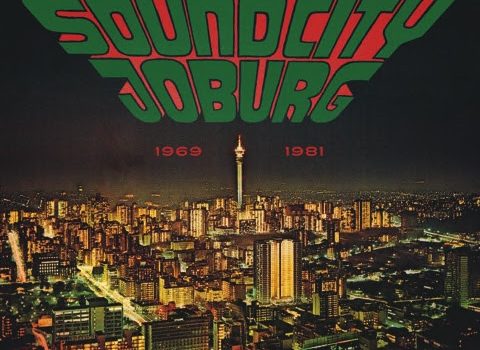
Various: Soundcity Joburg – South Africa’s Township Soul 1969-1981- Out 4 December 2026 (Analog Africa)
MALLELA WITH J.B. EXPRESS – Crazy Baby

I was editor of the long-running fanzine, Plane Truth, and have subsequently written for a number of publications. While the zine was known for championing the most angular independent sounds, performing in recent years with a community samba percussion band helped to broaden my tastes so that in 2021 I am far more likely to be celebrating an eclectic mix of sounds and enthusing about Made Kuti, Anthony Joseph, Little Simz and the Soul Jazz Cuban compilations as well as Pom Poko and Richard Dawson.