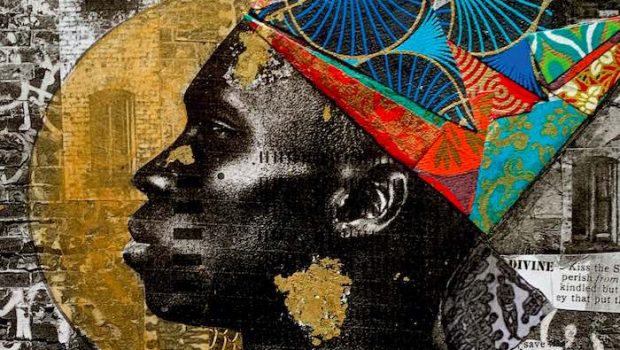
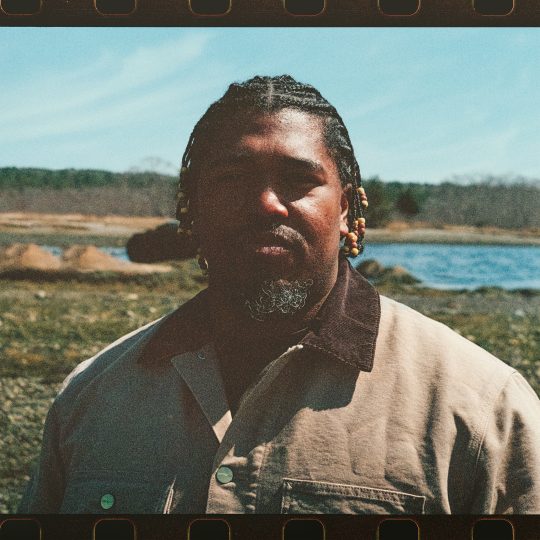
 1783 marked the end of the American War of Independence. It also saw the exodus of 3,000 so-called Black Loyalists who had fought for the British in exchange for land and freedom but were now sailing from New York to Nova Scotia to set up black settlements in the province. With his album taking its title from the year of this migration, Lance Sampson (who records as Aquakultre) explores issues of heritage, intergenerational trauma, black-on-black violence, prejudice within the judicial system, lack of male role models and matriarchal resilience. It is a deeply serious record from someone who has experienced the challenges personally having learnt guitar whilst in prison. Although its themes are familiar, it is given cultural specificity with numerous references to family history which gives it the feel of being the grooviest ever episode of ‘Who Do You Think You Are?’ and being set in a geographical area that appears less frequently in song. Musically, it draws from a palette that includes soul, gospel, blues, jazz, R’n’B and rap.
The album features 17 tracks of which six are short interlinking interludes. It includes some absolute barnstormers, most notably ‘Gallows’ which tells the story of his great-great-grandfather, Daniel Perry Sampson, who was wrongfully convicted of murder and executed in 1935. Told from his perspective moments before being hanged in a Halifax courtroom, the ominous, pounding drums create the feel of a chain gang, Aquakultre’s impassioned, soulful voice, organ and powerful gospel backing vocals provide full throttle drama. ‘Keep Me Down’ has similar themes telling of sailors visiting the port town of Halifax, a brawl erupting and an innocent man pleading guilty for the sake of the community. It is another tune on which his voice blends powerfully with the gospel choir while drums, bass, piano and horns give musical propulsion. ‘Matriarchs’ is a duet with Linda Carvery and uses blues guitar to great effect while drawing on experience of his own mum to reflect on the role of single mothers as the community’s glue. The song ends in a frenetic gospel call and response. Trombone together with powerful vocals and the gospel choir add musical resonance to the soul blues of ‘Bags Packed’ which is inspired by a documentary called ‘Loyalties’ in which a student and professor return to South Carolina and make some uncomfortable discoveries about the professor’s ancestral links to slavery.
There are a variety of moods and reference points on display. Opening track, ‘What Are You Sayin’ has softly swelling horns that recall early 70s recordings on the Hi Records label and although Sampson’s voice may not be as exquisite as Al Green’s, it is nevertheless capable of considerable tenderness. ‘Holy’ recalls classic consciousness era Stevie Wonder in a mid-tempo ballad that considers the importance of letters home from either the war or prison. Set to downbeat strings, ‘Make That Change’ is a rap that considers how generational trauma is reflected in violence within the black community while Canadian soprano Measha Brueggergosman-Lee’s operatic backing vocals have an eery, ghostly quality that reinforces this nightmarish scenario between people who have grown up together – “I watched on a screen, you and me kill one another / and now it’s normal to shoot when we see each other.”
‘The Avenue’ is super smooth, reminiscent of the music found on Marvin Gaye’s ‘What’s Going On’ album with Sampson’s silky delivery telling of young folks leaving their ancestral areas and a sampled voice reciting the surnames of families who have lived there for generations. It is not only the mention of “a purple rain” in ‘Black Doll’ that recalls Prince in balladeering mode. ‘1783’ ends with an R’n’B homage to home, ‘Scotia Born’ featuring Gary Beals and Haliey Smith. Its fade out includes recordings of delighted interaction between a mother and gurgling baby, another instance where thoughts of Stevie Wonder, this time the introduction to ‘Isn’t She Lovely’, spring to mind.
Even though the short linking pieces are of a lesser musical quality than the rest of ‘1783’, they do drive forward and add colour to the narrative. These include an imaginary letter from a World War I private to his family back home and spoken reflections on the failings of Sampson’s father. There are archive home recordings including the tale of a tragic childhood death, the singing of traditional hymn ‘The Great Judgement Morning’ which segues resonantly into ‘Gallows’ and a spirited recording from the 1970s of the Sampson family enjoying a rousing rendition of ‘Show Them The Way To Go Home’.
While ‘1783’ is a deeply personal work, it has a universality with which it is easy to engage. The music draws on 20th Century black music heritage with great sophistication and versatility, sharing the spirit of mighty predecessors like Curtis Mayfield and Stevie Wonder. Although it is unlikely to have the impact of their classic era, its cogent reflections on life, struggles of race, gender and poverty make it a worthy inheritor of that tradition.
Aquakultre: 1783 – Out 6 February 2026 (Next Door Records)
– Gallows (Official Music Video)

I was editor of the long-running fanzine, Plane Truth, and have subsequently written for a number of publications. While the zine was known for championing the most angular independent sounds, performing in recent years with a community samba percussion band helped to broaden my tastes so that in 2021 I am far more likely to be celebrating an eclectic mix of sounds and enthusing about Made Kuti, Anthony Joseph, Little Simz and the Soul Jazz Cuban compilations as well as Pom Poko and Richard Dawson.