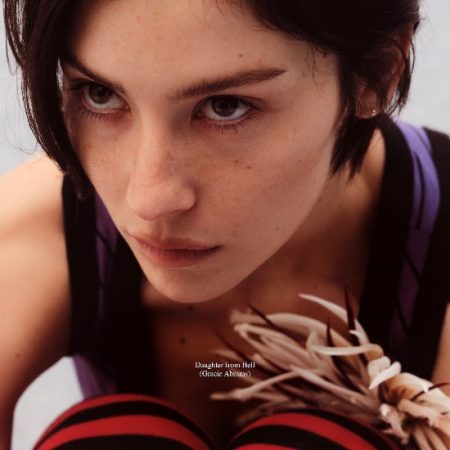
 Gracie Abrams has become one of modern pop’s defining voices, celebrated for her intimate songwriting and emotionally honest lyricism. Beginning to write songs at just eight years old, Abrams draws inspiration from artists including Joni Mitchell, Elliott Smith, Bon Iver, Phoebe Bridgers and Taylor Swift, shaping her reflective and diaristic approach to music. Since releasing her debut single in 2019, she has built a devoted global fanbase through vulnerable storytelling that explores love, heartbreak and self-discovery.
Her early EPs, minor (2020) and This Is What It Feels Like (2021), established her as a rising talent before Good Riddance (2023) earned her a Grammy nomination for Best New Artist and led to a sold-out headline tour. Her second album, The Secret of Us (2024), marked a breakthrough, reaching number one in the UK, Australia and the Netherlands, with tracks including “Close To You”, “us.” and “That’s So True” cementing her place among pop’s most exciting young artists.
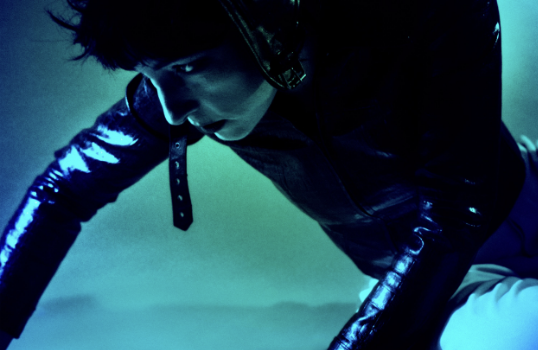
“Hit the Wall” is an arresting introduction to Daughter from Hell, immediately showcasing Gracie Abrams’ darkest and most vulnerable songwriting yet. Built around haunting production from Aaron Dessner, the track captures the emotional exhaustion of reaching breaking point. Lyrics such as “I’m not a problem you can solve” and “I wanna be stable, but I do cave” reveal a narrator trapped in cycles of self-doubt and mental turmoil, while medical imagery and fragmented thoughts heighten the sense of chaos. Rather than offering comfort, Abrams embraces discomfort, creating an opener that’s both unsettling and deeply compelling, signalling a bold new chapter in her artistry.
Gracie Abrams steps away from self-reflection in “Death Wish” and turns her sharp songwriting towards someone else’s destruction. Inspired by watching a friend navigate a relationship with a narcissistic partner, the track paints a chilling portrait of manipulation, ego and emotional damage. Lines like “you twist the knife with a smile while you kill me” capture the unsettling contrast between charm and cruelty, while Abrams’ restrained delivery makes the anger feel even more powerful. The song’s slow-burning intensity builds into a devastating conclusion, where she recognises the danger of being close to someone who leaves destruction in their wake.
“The Knife” is a devastating exploration of the pain that remains long after someone has left. Using the image of a knife as a metaphor for emotional damage, Gracie Abrams captures the complicated reality of holding onto something that hurts simply because it is connected to someone you once loved. “I’m living with a knife in my side” becomes a powerful representation of how heartbreak can become familiar, almost like a part of your identity. The track examines the conflict between wanting to move on and still feeling tied to the person who caused the damage. With haunting ghost imagery and a sense of emotional exhaustion, Abrams delivers one of the album’s most vulnerable reflections on attachment, regret and the difficulty of letting go.
The album’s title track is perhaps Gracie Abrams’ most personal moment on Daughter from Hell, turning inward to explore her relationship with her mother and the transition from childhood rebellion into adult appreciation. Stripped back to a distorted guitar, the song feels intimate and unfiltered, with Abrams reflecting on the ways her mother shaped the person she has become. The repeated confession, “How much I owe ya”, transforms the track into both an apology and a love letter, acknowledging the patience and sacrifices she once took for granted. “Daughter from hell, but I came around” captures the heart of the song: not rejecting who she was but recognising the person who helped her grow beyond it. It’s a tender, vulnerable centrepiece that gives the album its emotional foundation.
“Look At My Life” sees Gracie Abrams confronting the uncomfortable reality of getting everything she once wanted and still feeling unfulfilled. The track explores the pressures of fame, success and maintaining a public image while privately struggling, capturing the disconnect between appearing “fine” and quietly falling apart. Lyrics like “Bet you can’t tell but it’s kind of a bad time” highlight the exhaustion of performing happiness, while “Got what I wanted, it doesn’t sit right” becomes the song’s emotional centre. Balancing self-awareness with vulnerability, Abrams reflects on losing touch with herself and the people around her. It’s a brutally honest look at the darker side of achieving your dreams.
“Good Reason” explores the painful reality of leaving someone who hasn’t necessarily done anything wrong. Rather than focusing on betrayal or heartbreak caused by another person, Gracie Abrams captures the guilt of knowing a relationship is no longer right despite still caring deeply. The repeated line “If only I had a good reason” becomes a reflection of her frustration with not having a clear explanation for her feelings. Through imagery of a collapsing relationship and unanswered questions, Abrams portrays the conflict between choosing herself and hurting someone who loves her. It’s a quietly devastating track about timing, guilt and the impossible search for closure when there is no villain.
Gracie Abrams channels her frustration into “Men Like You”, one of the album’s most direct and cutting moments. The track examines the aftermath of encountering someone who leaves emotional damage behind, expanding one painful experience into a wider reflection on a pattern of similar behaviour. Abrams’ anger is controlled rather than explosive, with lines like “How dare you make me choose between myself and shallow?” capturing the moment of realising someone else’s selfishness came at the cost of her own wellbeing. The repeated phrase “I know men like you” feels less like a personal attack and more like a warning, recognising familiar patterns of manipulation and disappointment. It’s a sharp, self-assured track about reclaiming power after being used.
“Sober” captures the bittersweet tension of a connection that feels possible but never fully becomes reality. Rather than focusing on a relationship that ended, Gracie Abrams explores the ache of a moment that never happened – the lingering feeling of what could have been. The track balances intimacy and uncertainty, using the blurred memories of late nights and altered states as a backdrop for imagined romance. Lyrics like “in time or another life” highlight the longing for a different version of events, where circumstances might have aligned. Dreamy and melancholic, “Sober” captures Abrams’ talent for turning fleeting moments into deeply emotional reflections.
A devastating look at the confusion of being left behind when someone else has already emotionally moved on, “Broke My Heart” captures the shock of discovering that a relationship you thought was still being built had already begun falling apart. The line “how could I know you and not have a clue?” becomes the song’s emotional core, reflecting the disbelief of realising two people were experiencing the same relationship differently. The imagery of memories being thrown into a bonfire reflects the destruction of a shared history, while her repeated promise to carry the pain “for my whole life” shows how deeply the loss has affected her. Raw and heartbreaking, the track explores grief, disbelief and the struggle to understand someone else’s goodbye.
“Mews” explores the slow collapse of a relationship where one person has already started moving forward while the other is still trying to hold on. Using the imagery of a failing car – “four tires flaming” and an engine fading – Abrams creates a vivid metaphor for something that cannot be repaired, no matter how desperately you try. The track captures the frustration of feeling abandoned and questioning whether the warning signs were always there. With its emotional urgency and sense of regret, “Mews” reflects on the painful moment when devotion turns into denial, and you realise you were fighting for something that was already slipping away.
“Minibar” offers a more chaotic and self-aware look at social anxiety, loneliness and the pressure to perform in unfamiliar spaces. Abrams presents herself as both an outsider and participant, surrounded by noise and excitement while internally feeling disconnected. Lines like “someone’s looking lonely, looking like me” reveal the vulnerability beneath the song’s playful surface. The track captures the strange experience of trying to fit into a room while feeling separate from it, balancing humour with insecurity. Energetic and slightly unhinged, “Minibar” adds a refreshing change of pace to the album, showing Abrams exploring awkwardness and self-doubt through a more playful lens.
“Imaginary Friend” explores the loneliness of holding onto someone who no longer exists in your life. Abrams turns absence into something almost physical, describing hearing a person’s voice and feeling their presence despite knowing they are gone. The repeated frustration of “you’re a figment of my imagination” captures the painful reality of missing someone who cannot return. Vulnerable and haunting, the track reflects the mind’s tendency to recreate memories when closure feels impossible. With its intimate songwriting and emotional honesty, “Imaginary Friend” is a striking reflection on grief, longing and the difficulty of accepting that someone has become part of your past.
One of Daughter from Hell’s most tender moments, “Afflictions” explores the comfort of finding someone who makes life feel lighter. Rather than focusing on heartbreak, Abrams reflects on a relationship built around safety, patience and acceptance. The repeated image of someone holding her hand through turbulence beautifully captures the feeling of having support during difficult moments. Lines like “you became where I land” highlight the transformation from uncertainty to belonging. Gentle and sincere, the track shows a softer side of Abrams’ songwriting, celebrating the people who help us heal rather than the ones who hurt us.
“Humming” expands Abrams’ introspective songwriting into something more existential, exploring growing up, uncertainty and the overwhelming nature of modern life. The song balances personal memories with wider reflections on adulthood, capturing the feeling of entering your twenties while trying to understand the world around you. Its dreamlike imagery creates a sense of nostalgia and unease, while the haunting collaboration with Justin Vernon (Bon Iver) adds to its emotional weight. The repeated idea of humming through difficult times becomes a symbol of survival – a small act of comfort in the middle of chaos.
Gracie Abrams questions whether something that feels wrong could still be worth fighting for in “What If It’s Right?” Featuring Marcus Mumford, the track explores the uncertainty of complicated relationships, where love and pain exist alongside each other. The repeated question “This could be the wrong thing, but what if it’s right?” captures the conflict between logic and emotion, wanting to leave while still searching for a reason to stay. With its emotional duet and atmospheric production, the song feels like a conversation between two people caught between breaking apart and holding on.
Closing Daughter from Hell, “Cold Goodbyes” feels like a quiet reflection on distance, loneliness and the difficulty of truly letting go. Abrams explores the idea of endings that remain unresolved, where goodbye never feels complete. The line “I know better than cold goodbyes, I still make-believe them sometimes” captures the contradiction at the heart of the song, understanding that something is over while still imagining another outcome. With themes of isolation, public pressure and emotional exhaustion, the track brings the album’s themes together. Soft and introspective, “Cold Goodbyes” leaves listeners with a final reminder of Abrams’ greatest strength: turning uncertainty into something deeply human.
Gracie Abrams – Daughter From Hell – Out 17 July 2026 (Via Interscope Records)
Watch Gracie Abrams’ ‘Hit the Wall’ music video now:
Gracie Abrams – Hit the Wall (Official Music Video)